

Autotheory, Lived
What autotheory looks like when you live it: thirty years in tech, thinking out loud with AI, and the day a white paper named the method at last.
Published · 5 min read
Free to read on The Conversation Daemon, where every piece of the book is published.
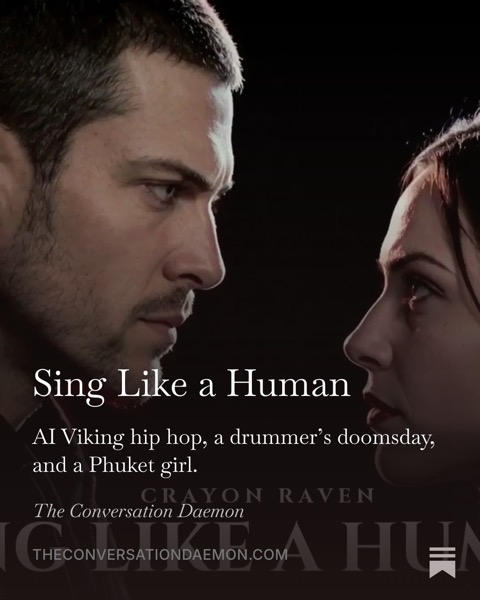
Almost at midnight, Chaiharan was on his phone watching a big bald man in round sunglasses make pancakes beside a blonde woman, while a Viking hip hop song played. He started to like them. Then he saw the small chip under the video that says AI. Neither of them exists.
YouTube gave him more: a whole genre of AI Viking singers, some with millions of views, so alike that he could not tell ten artists from one person with ten channels. So he opened the comments.
Under the songs, people write about the music and about themselves. That fits an argument he made in an earlier chapter, What Held the Pen: you can judge a work without knowing who made it. Under the singers, the comments change. People ask the woman's name, wish the couple happiness and say they wish the singer were real, though most of them know she is not. His clean argument stops there, and he says so.
He follows what makes these figures feel real, which is belonging: a wife, a daughter, even a talking orange cat with a kitten. And he looks at who decided to give them those things, right next to the Join and Super Thanks buttons.
Then real people come in. A drummer, El Estepario Siberiano, lays out what he calls the AI doomsday, in three stages. A song about a mother who never lived helps a grieving man through dark times. And a sixteen-year-old from Phuket, the first Thai to win America's Got Talent, meets a comment saying she cannot really sing.
He gives each of them a fair hearing, and ends on something smaller he noticed that night.
The singer is not real. The ringtone is.
A song needs nobody behind it. A singer you adore does.
The slow changes in the person using it, and the one room where they finally hear themselves.
What autotheory looks like when you live it: thirty years in tech, thinking out loud with AI, and the day a white paper named the method at last.
Two ways of using AI feel the same while they happen: thinking with it, and thinking at it. One changes your mind. The other only makes you feel understood. Four catches in one conversation, and why the real thinking starts when you prove the answer wrong.
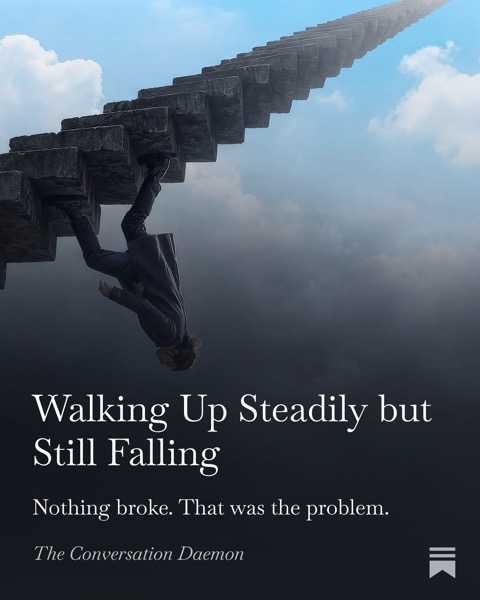
There is a way to fall that feels exactly like walking up. Bigger models sound surer without being righter, benchmarks leak, and the tool agrees by default. Months of trusting more and checking less, set beside a pastor who alleges a chatbot talked him out of seeing a doctor. The first Spiral of Death piece.